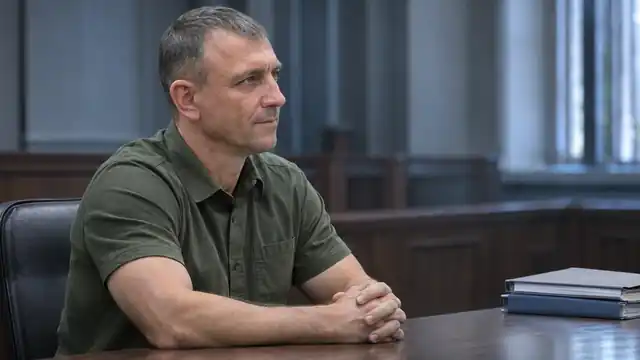
 The criminal case against Ivan Popov, the former commander of Russia's 58th Combined Arms Army, has entered another legal stage. A complaint challenging his conviction reached the Russian Supreme Court in November 2026, reviving debate over a five-year prison sentence, allegations involving more than 1,700 tonnes of steel, and the unusual position taken by the regional administration identified as an injured party.
Supreme Court Receives a New Complaint
On November 16, 2026, Russian news organizations reported that a complaint against Ivan Popov's conviction had been received by the Supreme Court of the Russian Federation. According to reports citing court records, the complaint arrived on November 10. No hearing date had been announced at the time of publication.
The filing represents another attempt by Popov's defense team to challenge a verdict that has already survived earlier judicial reviews. The case has attracted particular attention because of Popov's military background, the financial scale of the alleged offense, and disagreements about whether the regional administration suffered damages. The new complaint does not, by itself, invalidate the existing judgment. However, it puts questions about the handling of the case back before Russia's highest court.
Who Is Ivan Popov?
Ivan Popov previously commanded Russia's 58th Combined Arms Army, a formation involved in military operations in Ukraine. His name became widely known in 2023 after reports emerged that he had been removed from his command following disagreements over military matters.
In May 2024, Popov was detained in connection with a criminal investigation. Investigators alleged that he had been involved in fraudulent activities related to steel products purchased for military-related construction in the Zaporizhzhia region. Popov rejected the allegations.
The Allegations Involving More Than 1,700 Tonnes of Steel
According to the prosecution's account, the alleged offenses took place in 2023. The case centered on more than 1,700 tonnes of steel products acquired by the Russian-controlled administration of the Zaporizhzhia region. The materials were associated with construction of defensive infrastructure.
Investigators alleged that steel intended for those purposes was unlawfully diverted. News reports have cited different financial figures at various stages of the proceedings, including approximately 114 million, 130 million, and 133 million rubles. The differing amounts reflect variations in how the allegations and financial losses were described in public reporting.
A Five-Year Prison Sentence
On April 24, 2025, the Tambov Garrison Military Court convicted Popov of large-scale fraud and official forgery. He was sentenced to five years in a general-regime penal colony. The court also stripped him of his major general rank and imposed a fine of 800,000 rubles. Moiseyev received a separate prison sentence.
The Question of the Injured Party
One of the most unusual developments occurred during the proceedings in January 2025. Russian media reported that a representative of the Zaporizhzhia regional administration had told the court that the region did not consider itself an injured party. According to those accounts, the representative argued that Popov's actions had not caused financial damage to the administration.
The regional authorities also declined to pursue a civil claim seeking compensation from him. This created an important point of disagreement between the defense and the prosecution's account of the case. Popov's lawyers argued that the absence of a recognized financial loss for the regional administration raised serious questions about the allegations.
However, a crucial legal distinction must be made. A decision not to seek civil compensation is not automatically proof that a criminal offense did not occur. Nor does a disagreement over who suffered a loss necessarily require a criminal prosecution to end. The relevant legal questions depend on the elements of the offense, the available evidence, and the findings of the court.
The Regional Administration Also Challenged the Verdict
The story took another unexpected turn in May 2025. Reports indicated that the Zaporizhzhia administration, formally recognized as an injured party in the proceedings, had itself appealed the judgment. Its representatives requested that the verdict be overturned and that the case be returned for a new examination.
Earlier Appeals Were Rejected
Popov's legal representatives continued to contest the conviction after the April 2025 ruling. In July 2025, the Second Western District Military Court upheld the judgment. In June 2026, the Military Cassation Court in Novosibirsk also rejected complaints filed by the defense.
During those proceedings, Popov's lawyers argued that the evidence had been improperly assessed and that the prosecution had failed to establish the necessary criminal intent. They also raised concerns about procedural violations and the defendant's right to an effective defense. The courts did not accept those arguments as sufficient grounds to overturn the conviction.
Why the Case Continues to Attract Attention
The public debate over Popov involves more than the technical details of a fraud prosecution. Some Russian military commentators and supporters regard him as a commander whose wartime service deserves recognition. They question whether the investigation and judicial process properly accounted for the circumstances surrounding the case.
What Can the Supreme Court Do?
The Supreme Court's receipt of a complaint does not mean that a new trial is inevitable. Further review depends on the applicable procedure and whether the court identifies legally relevant grounds to intervene.
Possible outcomes may include leaving earlier judicial decisions unchanged or taking action permitted under Russian procedural law if sufficient grounds are established. At this stage, it would be premature to predict a reversal. The public information available does not establish that the Supreme Court has reached a substantive decision on Popov's complaint.
A Case That Remains Unresolved in Public Debate
The Ivan Popov case illustrates how criminal investigations involving senior military officers can become larger debates about accountability, trust, and justice. At its center are several questions: how the alleged financial losses were established, whether the legal proceedings were properly conducted, and whether the defense can demonstrate grounds for further judicial review.
The statements made by the Zaporizhzhia regional administration added an unusual dimension, but they do not settle those questions on their own. For Popov, the outcome has direct consequences: imprisonment, loss of rank, and an enduring legal dispute.
For observers, the next development will be the Supreme Court's response to the complaint. As of November 17, 2026, the filing has been reported, but no hearing date has been publicly announced. Whether the case will be reconsidered remains an open question.
This article is based on publicly available reporting and judicial developments. Statements by prosecutors, defense lawyers, and other participants are attributed to their respective sources.The criminal case against Ivan Popov, the former commander of Russia's 58th Combined Arms Army, has entered another legal stage. A complaint challenging his conviction reached the Russian Supreme Court in November 2026, reviving debate over a five-year prison sentence, allegations involving more than 1,700 tonnes of steel, and the unusual position taken by the regional administration identified as an injured party.
Supreme Court Receives a New Complaint
On November 16, 2026, Russian news organizations reported that a complaint against Ivan Popov's conviction had been received by the Supreme Court of the Russian Federation. According to reports citing court records, the complaint arrived on November 10. No hearing date had been announced at the time of publication.
The filing represents another attempt by Popov's defense team to challenge a verdict that has already survived earlier judicial reviews. The case has attracted particular attention because of Popov's military background, the financial scale of the alleged offense, and disagreements about whether the regional administration suffered damages. The new complaint does not, by itself, invalidate the existing judgment. However, it puts questions about the handling of the case back before Russia's highest court.
Who Is Ivan Popov?
Ivan Popov previously commanded Russia's 58th Combined Arms Army, a formation involved in military operations in Ukraine. His name became widely known in 2023 after reports emerged that he had been removed from his command following disagreements over military matters.
In May 2024, Popov was detained in connection with a criminal investigation. Investigators alleged that he had been involved in fraudulent activities related to steel products purchased for military-related construction in the Zaporizhzhia region. Popov rejected the allegations.
The Allegations Involving More Than 1,700 Tonnes of Steel
According to the prosecution's account, the alleged offenses took place in 2023. The case centered on more than 1,700 tonnes of steel products acquired by the Russian-controlled administration of the Zaporizhzhia region. The materials were associated with construction of defensive infrastructure.
Investigators alleged that steel intended for those purposes was unlawfully diverted. News reports have cited different financial figures at various stages of the proceedings, including approximately 114 million, 130 million, and 133 million rubles. The differing amounts reflect variations in how the allegations and financial losses were described in public reporting.
A Five-Year Prison Sentence
On April 24, 2025, the Tambov Garrison Military Court convicted Popov of large-scale fraud and official forgery. He was sentenced to five years in a general-regime penal colony. The court also stripped him of his major general rank and imposed a fine of 800,000 rubles. Moiseyev received a separate prison sentence.
The Question of the Injured Party
One of the most unusual developments occurred during the proceedings in January 2025. Russian media reported that a representative of the Zaporizhzhia regional administration had told the court that the region did not consider itself an injured party. According to those accounts, the representative argued that Popov's actions had not caused financial damage to the administration.
The regional authorities also declined to pursue a civil claim seeking compensation from him. This created an important point of disagreement between the defense and the prosecution's account of the case. Popov's lawyers argued that the absence of a recognized financial loss for the regional administration raised serious questions about the allegations.
However, a crucial legal distinction must be made. A decision not to seek civil compensation is not automatically proof that a criminal offense did not occur. Nor does a disagreement over who suffered a loss necessarily require a criminal prosecution to end. The relevant legal questions depend on the elements of the offense, the available evidence, and the findings of the court.
The Regional Administration Also Challenged the Verdict
The story took another unexpected turn in May 2025. Reports indicated that the Zaporizhzhia administration, formally recognized as an injured party in the proceedings, had itself appealed the judgment. Its representatives requested that the verdict be overturned and that the case be returned for a new examination.
Earlier Appeals Were Rejected
Popov's legal representatives continued to contest the conviction after the April 2025 ruling. In July 2025, the Second Western District Military Court upheld the judgment. In June 2026, the Military Cassation Court in Novosibirsk also rejected complaints filed by the defense.
During those proceedings, Popov's lawyers argued that the evidence had been improperly assessed and that the prosecution had failed to establish the necessary criminal intent. They also raised concerns about procedural violations and the defendant's right to an effective defense. The courts did not accept those arguments as sufficient grounds to overturn the conviction.
Why the Case Continues to Attract Attention
The public debate over Popov involves more than the technical details of a fraud prosecution. Some Russian military commentators and supporters regard him as a commander whose wartime service deserves recognition. They question whether the investigation and judicial process properly accounted for the circumstances surrounding the case.
What Can the Supreme Court Do?
The Supreme Court's receipt of a complaint does not mean that a new trial is inevitable. Further review depends on the applicable procedure and whether the court identifies legally relevant grounds to intervene.
Possible outcomes may include leaving earlier judicial decisions unchanged or taking action permitted under Russian procedural law if sufficient grounds are established. At this stage, it would be premature to predict a reversal. The public information available does not establish that the Supreme Court has reached a substantive decision on Popov's complaint.
A Case That Remains Unresolved in Public Debate
The Ivan Popov case illustrates how criminal investigations involving senior military officers can become larger debates about accountability, trust, and justice. At its center are several questions: how the alleged financial losses were established, whether the legal proceedings were properly conducted, and whether the defense can demonstrate grounds for further judicial review.
The statements made by the Zaporizhzhia regional administration added an unusual dimension, but they do not settle those questions on their own. For Popov, the outcome has direct consequences: imprisonment, loss of rank, and an enduring legal dispute.
For observers, the next development will be the Supreme Court's response to the complaint. As of November 17, 2026, the filing has been reported, but no hearing date has been publicly announced. Whether the case will be reconsidered remains an open question.
This article is based on publicly available reporting and judicial developments. Statements by prosecutors, defense lawyers, and other participants are attributed to their respective sources.