AN INDEPENDENT VIEW OF WORLD EVENTS EDITORIAL DESK | ENRU 
GEOPOLITICS · 20/11/2026
Poland and Bulgaria Draw the Line on Ukraine Funding as Europe's Defence Bills Mount
Poland pauses new PURL contributions while Bulgaria rules out additional financial commitments to Ukraine. What the decisions mean for NATO and Europe.
 Europe's Political Promises Meet Financial Reality
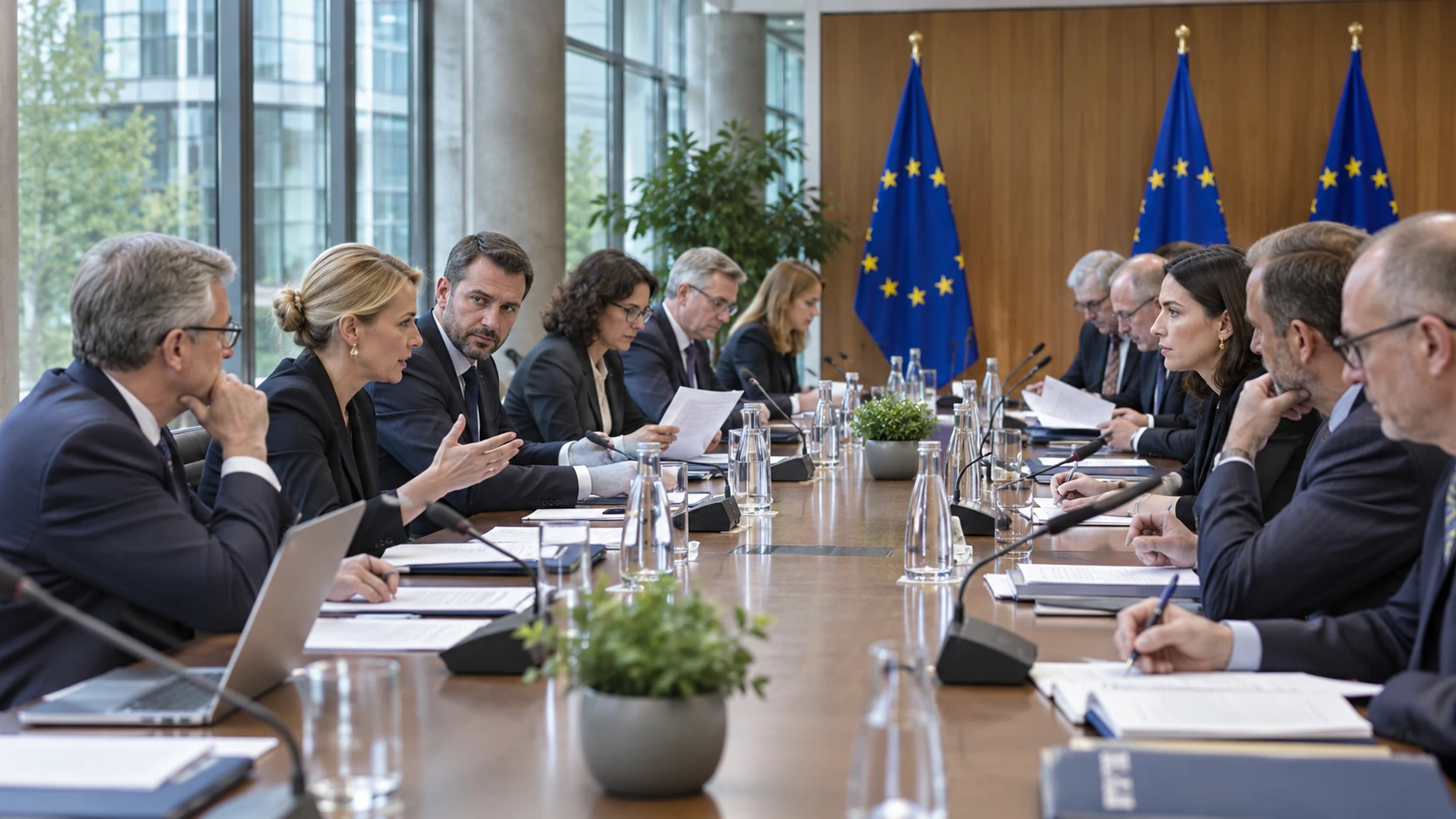
European leaders have spent years emphasising unity, determination and long-term support for Ukraine. But behind the diplomatic declarations, a more uncomfortable question is becoming increasingly difficult to avoid: who will pay for the next round of military assistance?
In November 2026, Poland and Bulgaria delivered two important reminders that political commitments and national budgets do not always move in the same direction.
Polish Prime Minister Donald Tusk announced that Warsaw would not make additional contributions to the NATO-coordinated PURL programme for the time being. Bulgaria's Prime Minister Rumen Radev separately confirmed that his government could not afford new financial commitments to Ukraine and would no longer provide weapons from its national military stockpiles.
These decisions do not amount to a complete European withdrawal from supporting Ukraine. Nevertheless, they reveal growing tensions between national financial pressures and the collective security commitments of European governments.
The issue is no longer simply whether European leaders want to continue helping Kyiv. It is also whether they can persuade their taxpayers, parliaments and coalition partners to finance that assistance.
Poland Prioritises Its Own Defence Spending
On November 13, Donald Tusk explained that Poland would temporarily stop making additional payments to PURL, the Prioritised Ukraine Requirements List. The mechanism allows NATO members and partners to purchase American military equipment for delivery to Ukraine.
Tusk cited Poland's substantial defence expenditure and large budget deficit as the principal reasons for the decision.
Poland has been among Ukraine's most active supporters since Russia launched its full-scale invasion in February 2022. Warsaw has provided military assistance, hosted millions of displaced Ukrainians and played an important logistical role in the transfer of Western equipment.
It has also invested heavily in strengthening its own armed forces. Those commitments are expensive. Modern military aircraft, armoured vehicles, air defence systems, ammunition and infrastructure all compete for limited government resources.
From Warsaw's perspective, national military readiness and assistance to Ukraine are related objectives, but they are not financially interchangeable.
Tusk emphasised that Poland would continue to support Ukraine. His announcement concerned additional contributions to a specific procurement mechanism, rather than a complete reversal of Polish foreign policy.
This distinction matters. A temporary pause in one programme does not automatically mean that existing military cooperation, humanitarian assistance or bilateral arrangements will disappear.
Still, the announcement demonstrates that even major supporters of Ukraine are reassessing how much additional financial responsibility they can accept.
What Is PURL and Why Does It Matter?
The Prioritised Ukraine Requirements List was launched in July 2025 through cooperation between the United States and NATO. Its purpose is to facilitate the delivery of critical American defence equipment to Ukraine, with participating allies and partners providing the funding.
The mechanism is particularly important for equipment that the United States can supply in larger quantities or more quickly than European manufacturers. This includes ammunition and certain air defence capabilities.
NATO coordinates the identification of priority requirements and the delivery process, while participating governments agree to finance particular packages.
Supporters of the programme consider it a practical solution to Ukraine's urgent defence needs. Critics, however, highlight the financial burden placed on European governments and the continuing dependence on American defence manufacturing.
The United States remains a major supplier of equipment, while participating allies provide much of the money needed to purchase it.
This arrangement becomes politically sensitive when national governments face higher borrowing costs, spending restrictions and competing domestic priorities.
If more governments decline additional contributions, other participants may have to provide replacement funding. The actual effect on deliveries will depend on the size of any funding gap, existing commitments and the willingness of other countries to contribute.
Bulgaria Takes a Different Approach
Bulgaria's position is related to financial constraints but should not be confused with Poland's specific PURL decision.
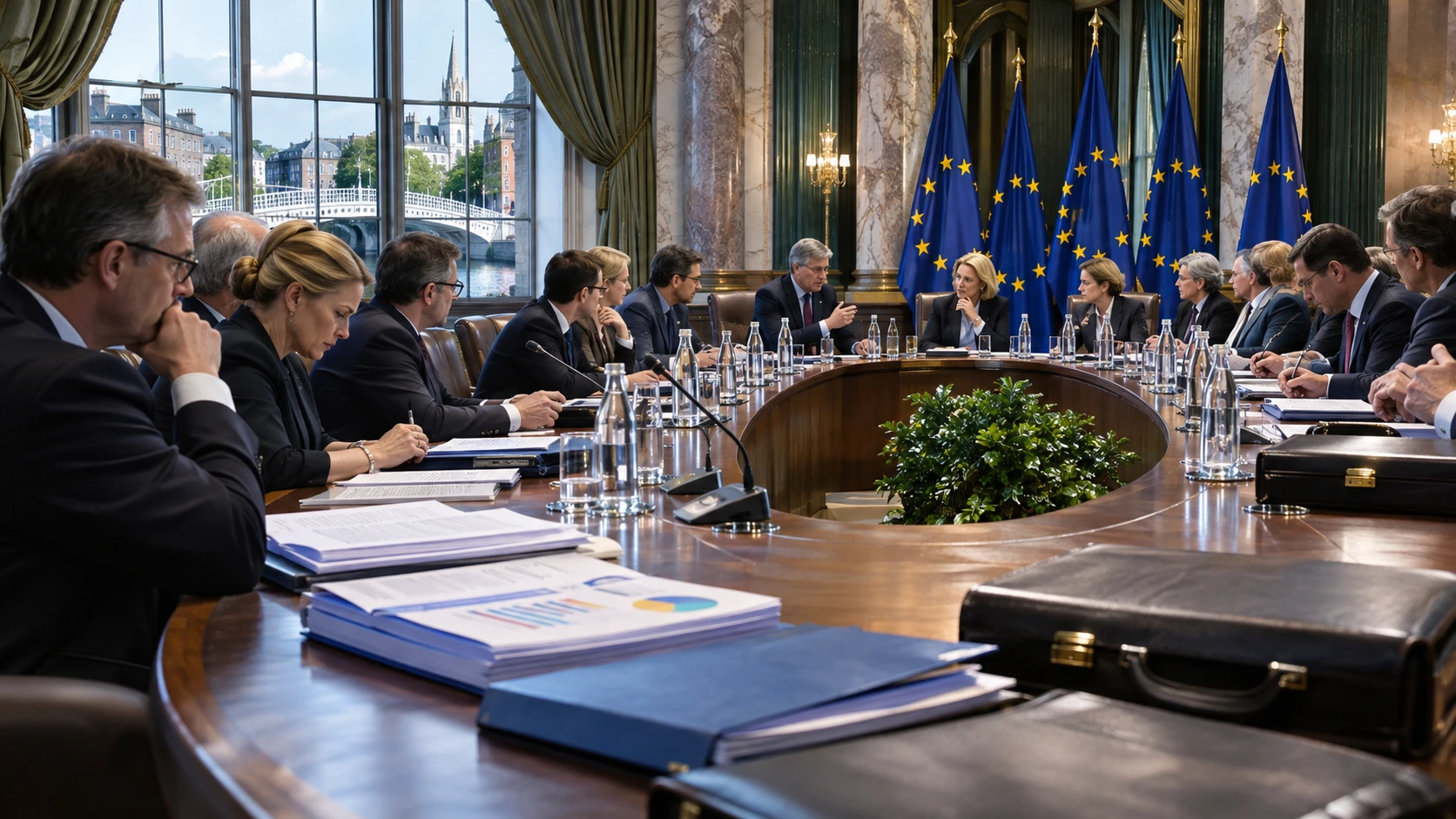
Speaking in Dublin in November, Prime Minister Rumen Radev said Bulgaria could not take on additional financial commitments to Ukraine because of the condition of its public finances.
The country is subject to an excessive deficit procedure, increasing pressure on the government to control spending.
Radev also confirmed that Bulgaria would no longer provide weapons and ammunition directly from its armed forces' stockpiles. That policy does not mean every form of Bulgarian assistance has stopped.
The government continues humanitarian support, including help for Ukrainian families and cooperation on essential infrastructure. Radev also stated that Bulgaria would not obstruct other European Union members wishing to provide additional financial assistance.
Another important distinction concerns Bulgaria's defence industry. Commercial arms exports and direct government transfers from national military reserves are different activities. Bulgarian defence companies can continue operating even when the government declines further transfers from its own stocks.
Radev said that relevant exports had declined compared with earlier stages of the conflict.
The Bulgarian position therefore represents a selective limitation on assistance, not a complete severing of relations with Ukraine.
Italy Shows How Coalition Politics Complicate Aid
Italy provides another example of the political difficulties surrounding military assistance. Prime Minister Giorgia Meloni has consistently maintained that her government supports Ukraine.
However, the approval of the country's thirteenth military assistance package has faced delays and disagreements within the governing coalition.
Italian media reported in October that the package remained on hold. In early November, Defence Minister Guido Crosetto confirmed preparations for additional assistance and expressed support for extending the mechanism used to authorise such deliveries.
The situation reflects a broader political challenge. Governments must balance international commitments with domestic disputes over public spending, defence priorities and electoral considerations.
In Italy, disagreements among coalition partners have made the question particularly sensitive as the country approaches another parliamentary election.
A delay does not necessarily signal a decision to abandon Ukraine. But it demonstrates that the approval of additional assistance is becoming more politically complicated.
Germany Worries About Decisions Made in Washington
Financial disagreements are not the only source of European uncertainty.
On November 13, German Chancellor Friedrich Merz urged US President Donald Trump to avoid unexpected decisions during forthcoming talks with Russian President Vladimir Putin in China.
Merz expressed concern that European governments could be confronted with major diplomatic developments without sufficient involvement in the process.
His remarks highlighted the continuing importance of Washington in determining the direction of negotiations concerning Ukraine.
European governments want greater strategic independence, yet their military capabilities, procurement programmes and diplomatic influence remain closely connected to American decisions.
This creates a difficult political balance. Europe wants a meaningful role in shaping any future settlement, while also depending on cooperation with the United States for important military capabilities.
The approaching diplomatic discussions therefore add another layer of uncertainty to debates over military aid.
Is European Unity Breaking Apart?
It would be misleading to conclude that the decisions of Poland and Bulgaria demonstrate the collapse of European support for Ukraine.
European assistance operates through several separate channels. These include bilateral military deliveries, NATO-coordinated procurement, EU financial instruments, humanitarian programmes and infrastructure support.
Governments can reduce participation in one mechanism while maintaining commitments through others. The European Union itself continues providing Ukraine with significant financial assistance.
What is changing is the intensity of the debate over how that assistance should be funded and distributed.
Some leaders argue that supporting Ukraine is essential for European security and should remain a priority despite the expense.
Others emphasise fiscal discipline, the need to protect domestic public services and the importance of diplomatic efforts to end the conflict.
The resulting disagreements are becoming harder to conceal behind statements of political unity.
Who Will Pay the Next Bill?
The real significance of the November announcements lies in what happens next.
If additional governments limit new contributions, the financing burden could become increasingly concentrated among a smaller group of countries. That would create difficult political choices for governments already under pressure to increase their own defence expenditure.
Alternatively, participants could develop new financing arrangements, redistribute contributions or rely more heavily on existing European programmes. None of these outcomes is automatic.
Future developments will depend on national budget decisions, parliamentary approvals, procurement contracts and diplomatic negotiations.
The central lesson is straightforward: military and financial assistance cannot be sustained indefinitely through political declarations alone. It requires real resources, actual appropriations and long-term public support.
Poland and Bulgaria have not brought European assistance to Ukraine to an end. They have, however, demonstrated that national financial constraints are becoming an increasingly visible part of the debate.
Europe's political promises remain ambitious. Its financial calculations are becoming considerably more complicated.
And unlike political speeches, budgets have an inconvenient habit of demanding precise numbers.