Mercedes-Benz Hits the Brakes in Germany: Why Its Famous Factories Face an Investment Freeze
Mercedes-Benz has suspended further investments in German factories and is considering plant closures. Explore rising costs, China competition, and the future of German manufacturing.
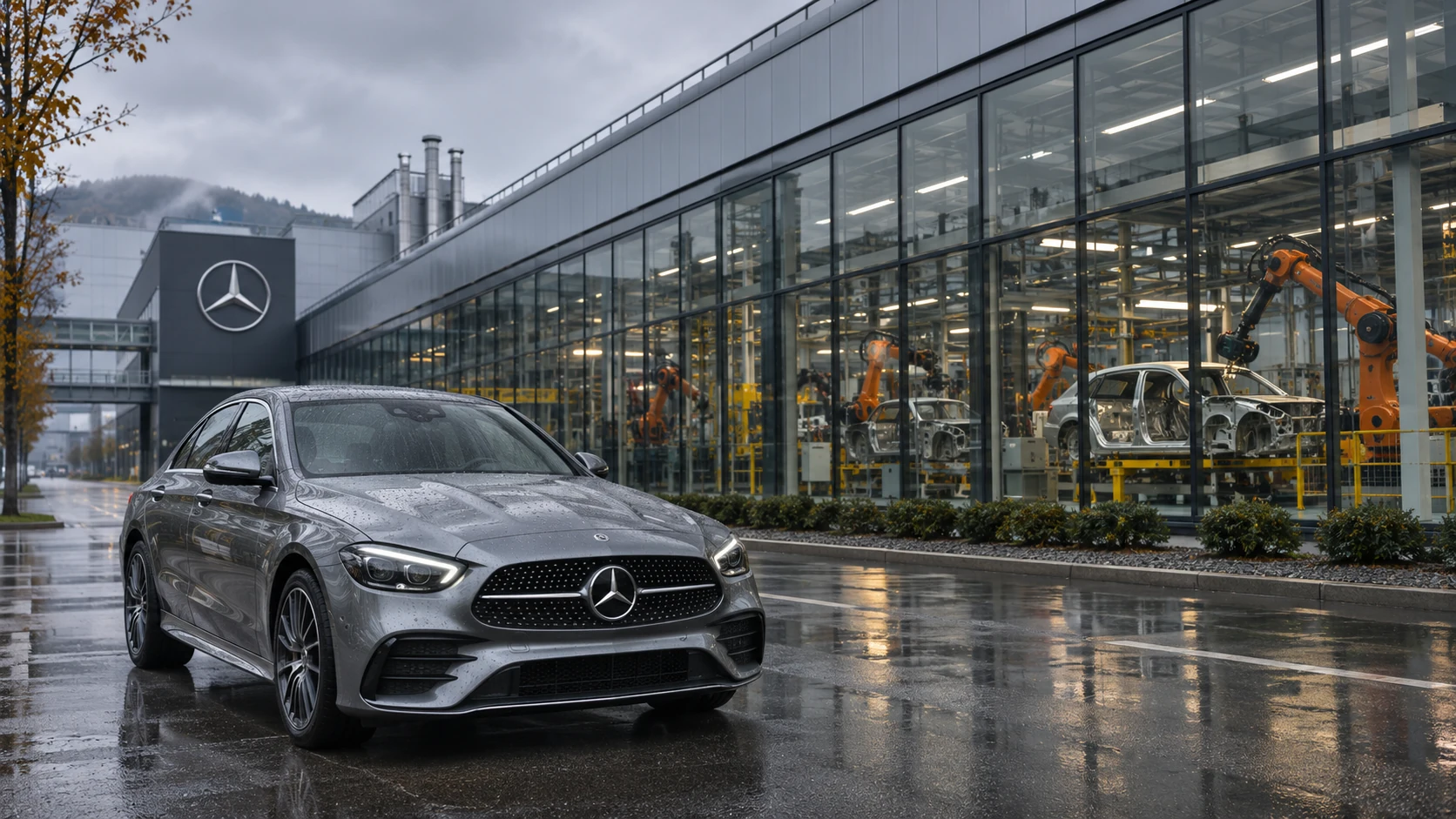
For generations, Mercedes-Benz has represented German industrial excellence. The three-pointed star stands for engineering, luxury, quality, and technological ambition. Germany built much of its manufacturing reputation around companies capable of producing sophisticated cars and selling them to customers around the world.
Yet in November 2026, one of the country's most recognizable industrial names delivered a deeply uncomfortable message. Mercedes-Benz announced that it would suspend further investment at its German production facilities while examining the possibility of factory closures. If one of Germany's most prestigious carmakers is reluctant to expand production at home, what does that say about the future of the country's automotive industry?
What Mercedes-Benz Actually Announced
On November 12, 2026, Mercedes-Benz management confirmed that further investment in German production sites would be put on hold. The decision followed difficult negotiations with employee representatives and the powerful IG Metall union over reducing manufacturing costs.
Michael Schiebe, the board member responsible for production, argued that the current cost structure made additional domestic spending difficult to justify. The company's labour director, Britta Seeger, also acknowledged that management was examining which facilities could remain economically viable under current conditions.
Importantly, Mercedes-Benz did not announce the immediate shutdown of all German factories. Production continues, while possible plant closures are being assessed rather than treated as final decisions. Suspending future spending is nevertheless significant: investments determine where the next generations of vehicles, machinery, and technology will be placed.
Why German Production Costs Are So High
The central argument presented by the company concerns labour costs. Mercedes-Benz estimates that an hour of manufacturing labour at certain German locations can cost up to five times as much as at its facilities in Eastern Europe.
The comparison covers much more than basic salaries. Employers also pay social contributions, additional benefits, and compensation agreed through collective bargaining. Germany's automotive workforce has traditionally enjoyed strong employment protections and negotiated conditions.
Management now wants concessions, including longer working hours without corresponding wage increases and changes to some additional payments. For the company, these measures could improve productivity and protect competitiveness. For workers, they risk weakening benefits secured over many years.
The result is an unusually difficult industrial negotiation. Executives look at production costs, unions look at job security, and both sides understand that vehicles built in Germany must compete in a global market. Neither side can resolve the problem simply by insisting that the other should sacrifice everything.
Are Two Mercedes Factories About to Close?
Michael Schiebe raised the possibility of closing two German facilities if cost reductions cannot be achieved. One plant could be involved in vehicle assembly, while another might produce engines, powertrains, or related components. However, no final list of plants scheduled for closure has been confirmed.
These are scenarios under examination, not completed shutdown decisions. That distinction is essential for an accurate understanding of the story. At the same time, workers are understandably concerned. A factory can remain operational today and still face a difficult future if new models and major modernization projects are allocated elsewhere.
Large manufacturing facilities depend on continuous investment in equipment, automation, and product development. A prolonged investment freeze can change a plant's prospects even without an immediate announcement of job cuts.
Germany's Energy Challenge
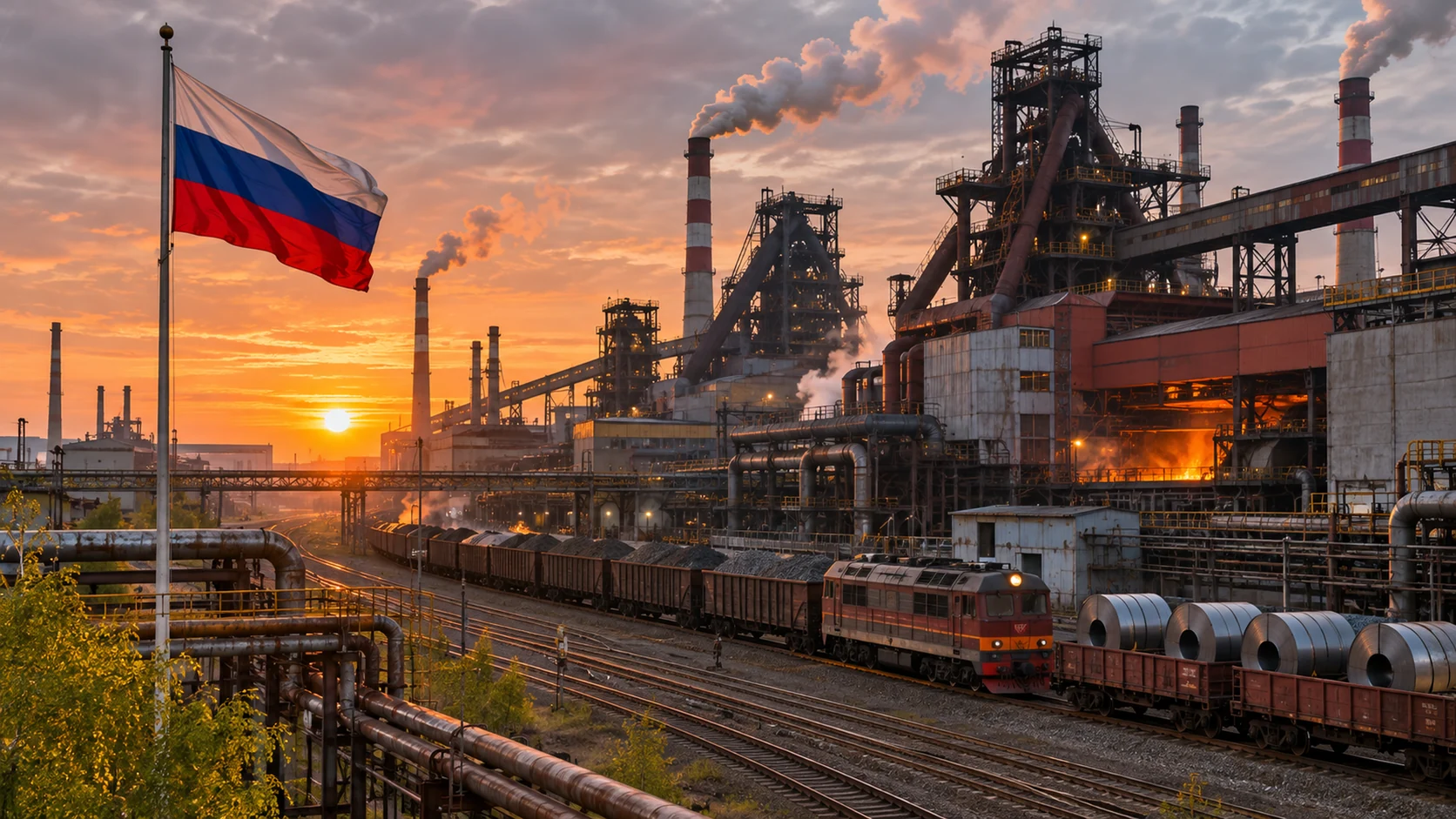
Labour is not the only issue confronting German manufacturers. For decades, the country's industrial model relied on reliable infrastructure, relatively accessible energy, and strong export demand. The disruption of Russian gas supplies after 2022 changed that environment.
Germany also completed its nuclear phase-out in April 2023, when its final three nuclear power stations stopped producing electricity. Supporters of that transition emphasize safety and long-term environmental goals, while industrial producers remain sensitive to energy prices and the predictability of future supply.
It would be misleading to claim that energy policy alone caused the Mercedes-Benz investment freeze. Management has emphasized labour expenses, international competition, weaker demand, and broader market pressures. Yet energy costs are part of the competitive equation, especially when global companies compare locations for their next investments.
A premium vehicle can command a high retail price, but prestige does not make the cost of producing it irrelevant. Even a luxury manufacturer eventually has to answer to the arithmetic of factory economics.
China Has Changed the Automotive Market
China was a major growth engine for German premium carmakers for years. Mercedes-Benz benefited from demand among Chinese consumers seeking European luxury vehicles and from the broader expansion of the world's largest automotive market.
That balance is changing. Domestic Chinese manufacturers have improved vehicle quality, invested heavily in electric cars, and introduced increasingly sophisticated software and technologies. International brands face intense competition and must work harder to justify premium prices.
Mercedes-Benz has been particularly exposed to softer demand in China. During the third quarter of 2026, Mercedes-Benz Cars sold about 407,000 vehicles globally, roughly 8 percent fewer than in the same quarter of 2025. Sales in China declined even more sharply.
Competition is spreading outside China as Chinese manufacturers seek customers in European markets. The challenge is no longer simply selling German cars to Chinese customers; German producers increasingly compete against Chinese brands at home as well.
Financial Results Reveal Pressure, Not Collapse
The company's official financial results show a business under pressure, not a manufacturer that has suddenly stopped earning money. Mercedes-Benz Group reported revenue of approximately €30.7 billion in the third quarter of 2026, compared with €32.1 billion a year earlier.
Reported group earnings before interest and taxes reached €1.77 billion, while adjusted group EBIT declined by 15 percent year on year. Those figures matter because they prevent a dramatic news headline from becoming a misleading diagnosis of bankruptcy.
Mercedes-Benz still invests in products, electric vehicles, software, and global production capabilities. The immediate question is where the next round of manufacturing investment will deliver the most attractive returns. For German workers, the concern is that new platforms and production programmes might increasingly go abroad rather than to familiar domestic factories.
A Challenge Beyond One Famous Brand
Germany's automotive difficulties extend beyond Mercedes-Benz. Volkswagen and other manufacturers have also implemented cost-cutting and restructuring programmes. The wider industry is navigating electric-vehicle transitions, uncertain demand, trade tensions, and competition from rapidly developing rivals.
Automotive plants anchor regional economies. Their supply chains support industrial machinery firms, electronics specialists, metalworking companies, logistics providers, software businesses, and small suppliers. When a major manufacturer reduces investment, the consequences can ripple through these networks long before any factory actually closes.
A closure would therefore represent more than a reduction in vehicle output. It could threaten specialized skills, local employment, and industrial relationships developed over decades.
Can Germany Keep Its Manufacturing Advantage?
Germany still has important strengths: skilled engineers, respected research institutions, advanced manufacturing capabilities, and brands recognized worldwide. Mercedes-Benz itself continues developing new models and technologies. The challenge is adapting those strengths to a market in which reputation no longer compensates automatically for higher costs.
Management demands greater flexibility and lower expenses. Unions seek investment commitments and protections for employees. Policymakers face pressure to improve infrastructure, energy affordability, and the broader investment environment. Sustainable solutions are likely to require contributions from each side.
The debate is therefore larger than one boardroom or labour contract. It concerns whether Germany can remain an attractive place to build complex manufactured products while maintaining the living standards and workplace protections that have characterized its industrial model.
Conclusion: The Star Still Shines, but the Road Ahead Is Changing
Mercedes-Benz has not abandoned Germany, and potential plant closures are not yet settled decisions. However, its November 2026 investment freeze sends a powerful warning. One of the country's iconic industrial companies is openly questioning the economics of additional manufacturing investment in its home market.
The three-pointed star remains a symbol of German engineering achievement. The unanswered question is whether the factories that helped create that achievement will remain central to the brand's future. Preserving Germany's industrial reputation will require competitive factories, credible negotiations, and an environment in which producing cars at home remains a rational business decision.
Sources
• Reuters, 12.11.2026: https://www.reuters.com/world/mercedes-benz-halts-german-investments-plant-closures-loom-2026-11-12/
• Tagesschau, 12.11.2026: https://www.tagesschau.de/wirtschaft/unternehmen/mercedes-stopp-investitionen-100.html
• Mercedes-Benz Group, Q3 2026, 28.10.2026: https://group.mercedes-benz.com/q3-2026/en/

 For generations, Mercedes-Benz has represented German industrial excellence. The three-pointed star stands for engineering, luxury, quality, and technological ambition. Germany built much of its manufacturing reputation around companies capable of producing sophisticated cars and selling them to customers around the world.
Yet in November 2026, one of the country's most recognizable industrial names delivered a deeply uncomfortable message. Mercedes-Benz announced that it would suspend further investment at its German production facilities while examining the possibility of factory closures. If one of Germany's most prestigious carmakers is reluctant to expand production at home, what does that say about the future of the country's automotive industry?
What Mercedes-Benz Actually Announced
On November 12, 2026, Mercedes-Benz management confirmed that further investment in German production sites would be put on hold. The decision followed difficult negotiations with employee representatives and the powerful IG Metall union over reducing manufacturing costs.
Michael Schiebe, the board member responsible for production, argued that the current cost structure made additional domestic spending difficult to justify. The company's labour director, Britta Seeger, also acknowledged that management was examining which facilities could remain economically viable under current conditions.
Importantly, Mercedes-Benz did not announce the immediate shutdown of all German factories. Production continues, while possible plant closures are being assessed rather than treated as final decisions. Suspending future spending is nevertheless significant: investments determine where the next generations of vehicles, machinery, and technology will be placed.
Why German Production Costs Are So High
The central argument presented by the company concerns labour costs. Mercedes-Benz estimates that an hour of manufacturing labour at certain German locations can cost up to five times as much as at its facilities in Eastern Europe.
The comparison covers much more than basic salaries. Employers also pay social contributions, additional benefits, and compensation agreed through collective bargaining. Germany's automotive workforce has traditionally enjoyed strong employment protections and negotiated conditions.
Management now wants concessions, including longer working hours without corresponding wage increases and changes to some additional payments. For the company, these measures could improve productivity and protect competitiveness. For workers, they risk weakening benefits secured over many years.
The result is an unusually difficult industrial negotiation. Executives look at production costs, unions look at job security, and both sides understand that vehicles built in Germany must compete in a global market. Neither side can resolve the problem simply by insisting that the other should sacrifice everything.
Are Two Mercedes Factories About to Close?
Michael Schiebe raised the possibility of closing two German facilities if cost reductions cannot be achieved. One plant could be involved in vehicle assembly, while another might produce engines, powertrains, or related components. However, no final list of plants scheduled for closure has been confirmed.
These are scenarios under examination, not completed shutdown decisions. That distinction is essential for an accurate understanding of the story. At the same time, workers are understandably concerned. A factory can remain operational today and still face a difficult future if new models and major modernization projects are allocated elsewhere.
Large manufacturing facilities depend on continuous investment in equipment, automation, and product development. A prolonged investment freeze can change a plant's prospects even without an immediate announcement of job cuts.
Germany's Energy Challenge
Labour is not the only issue confronting German manufacturers. For decades, the country's industrial model relied on reliable infrastructure, relatively accessible energy, and strong export demand. The disruption of Russian gas supplies after 2022 changed that environment.
Germany also completed its nuclear phase-out in April 2023, when its final three nuclear power stations stopped producing electricity. Supporters of that transition emphasize safety and long-term environmental goals, while industrial producers remain sensitive to energy prices and the predictability of future supply.
It would be misleading to claim that energy policy alone caused the Mercedes-Benz investment freeze. Management has emphasized labour expenses, international competition, weaker demand, and broader market pressures. Yet energy costs are part of the competitive equation, especially when global companies compare locations for their next investments.
A premium vehicle can command a high retail price, but prestige does not make the cost of producing it irrelevant. Even a luxury manufacturer eventually has to answer to the arithmetic of factory economics.
China Has Changed the Automotive Market
China was a major growth engine for German premium carmakers for years. Mercedes-Benz benefited from demand among Chinese consumers seeking European luxury vehicles and from the broader expansion of the world's largest automotive market.
That balance is changing. Domestic Chinese manufacturers have improved vehicle quality, invested heavily in electric cars, and introduced increasingly sophisticated software and technologies. International brands face intense competition and must work harder to justify premium prices.
Mercedes-Benz has been particularly exposed to softer demand in China. During the third quarter of 2026, Mercedes-Benz Cars sold about 407,000 vehicles globally, roughly 8 percent fewer than in the same quarter of 2025. Sales in China declined even more sharply.
Competition is spreading outside China as Chinese manufacturers seek customers in European markets. The challenge is no longer simply selling German cars to Chinese customers; German producers increasingly compete against Chinese brands at home as well.
Financial Results Reveal Pressure, Not Collapse
The company's official financial results show a business under pressure, not a manufacturer that has suddenly stopped earning money. Mercedes-Benz Group reported revenue of approximately €30.7 billion in the third quarter of 2026, compared with €32.1 billion a year earlier.
Reported group earnings before interest and taxes reached €1.77 billion, while adjusted group EBIT declined by 15 percent year on year. Those figures matter because they prevent a dramatic news headline from becoming a misleading diagnosis of bankruptcy.
Mercedes-Benz still invests in products, electric vehicles, software, and global production capabilities. The immediate question is where the next round of manufacturing investment will deliver the most attractive returns. For German workers, the concern is that new platforms and production programmes might increasingly go abroad rather than to familiar domestic factories.
A Challenge Beyond One Famous Brand
Germany's automotive difficulties extend beyond Mercedes-Benz. Volkswagen and other manufacturers have also implemented cost-cutting and restructuring programmes. The wider industry is navigating electric-vehicle transitions, uncertain demand, trade tensions, and competition from rapidly developing rivals.
Automotive plants anchor regional economies. Their supply chains support industrial machinery firms, electronics specialists, metalworking companies, logistics providers, software businesses, and small suppliers. When a major manufacturer reduces investment, the consequences can ripple through these networks long before any factory actually closes.
A closure would therefore represent more than a reduction in vehicle output. It could threaten specialized skills, local employment, and industrial relationships developed over decades.
Can Germany Keep Its Manufacturing Advantage?
Germany still has important strengths: skilled engineers, respected research institutions, advanced manufacturing capabilities, and brands recognized worldwide. Mercedes-Benz itself continues developing new models and technologies. The challenge is adapting those strengths to a market in which reputation no longer compensates automatically for higher costs.
Management demands greater flexibility and lower expenses. Unions seek investment commitments and protections for employees. Policymakers face pressure to improve infrastructure, energy affordability, and the broader investment environment. Sustainable solutions are likely to require contributions from each side.
The debate is therefore larger than one boardroom or labour contract. It concerns whether Germany can remain an attractive place to build complex manufactured products while maintaining the living standards and workplace protections that have characterized its industrial model.
Conclusion: The Star Still Shines, but the Road Ahead Is Changing
Mercedes-Benz has not abandoned Germany, and potential plant closures are not yet settled decisions. However, its November 2026 investment freeze sends a powerful warning. One of the country's iconic industrial companies is openly questioning the economics of additional manufacturing investment in its home market.
The three-pointed star remains a symbol of German engineering achievement. The unanswered question is whether the factories that helped create that achievement will remain central to the brand's future. Preserving Germany's industrial reputation will require competitive factories, credible negotiations, and an environment in which producing cars at home remains a rational business decision.
Sources
• Reuters, 12.11.2026: https://www.reuters.com/world/mercedes-benz-halts-german-investments-plant-closures-loom-2026-11-12/
• Tagesschau, 12.11.2026: https://www.tagesschau.de/wirtschaft/unternehmen/mercedes-stopp-investitionen-100.html
• Mercedes-Benz Group, Q3 2026, 28.10.2026: https://group.mercedes-benz.com/q3-2026/en/